There's a rule in the NBA that says a defender can't hang out in the paint for more than three seconds unless he's actively guarding someone near him. You've probably heard it mentioned. You've almost certainly watched it get violated dozens of times in a single game without a whistle. And if you've been watching playoff basketball lately, you already know exactly where this is going.
The defensive three-second violation — technically Rule 26, Section II(b) for the rulebook nerds — was introduced in 2001 specifically to open up the lane and prevent big men from just stationing themselves under the basket like a tollbooth. The idea was smart: force defenders to actually move, create driving lanes, let the game breathe. Two-plus decades later, the rule exists mostly as a footnote. Referees treat it like a suggestion. Centers treat it like it doesn't apply to them. And playoff basketball, which should be the showcase for everything the sport does brilliantly, is increasingly becoming a grind-it-out, iso-heavy slog.
What the Rule Actually Says vs. What Actually Happens
Here's the basic deal: a defensive player cannot remain in the lane for more than three seconds unless he's within arm's reach of an opponent near him. The moment he's just standing there, not guarding anyone specific, the clock should start. Three seconds and a whistle. Simple.
Except it's not. Because referees are watching ball movement, screens, off-ball cuts, and about forty other things simultaneously. The three-second count requires a ref to literally track time on a player who might not even be near the action. So it gets deprioritized. It gets forgotten. And smart defensive coordinators — particularly those with a 7-footer to deploy — have figured out they can essentially get a free safety in the paint all game long.
Watch any playoff series featuring a mobile-but-not-really center and count how many times he's camped in the paint with no one to guard. You'll lose count before halftime. The guy doesn't need to be chasing a shooter. He just needs to be near the basket, and suddenly every drive becomes a nightmare because there's a 260-pound roadblock waiting at the rim.
How This Is Actually Killing Spacing
Modern NBA offense is built on spacing. The whole architecture of the three-point revolution, the pick-and-roll renaissance, the drive-and-kick game — all of it depends on defenders being pulled away from the basket. When a center can sit in the paint untouched, it collapses the entire system.
Think about what happens when a guard drives baseline. In a properly spaced offense, the lane should have some room. But if a big man is already lurking in there, the driver has to make a decision before he even gets to the paint: pull up, kick out, or absorb contact from someone who's been standing there illegally for four seconds. That's not basketball. That's a clogged drain.
Playoff basketball amplifies this because the stakes make coaches conservative. Nobody's running wild experimental sets in Game 6. You're grinding. You're running your best stuff. And if your best stuff is a star iso player, having an extra body in the paint — legally or not — makes every possession harder than it should be.
The result? More pull-up jumpers. More step-back threes. More stagnant half-court possessions where the ball barely moves. The regular season, with its looser defensive schemes and higher pace, masks the problem. The playoffs expose it completely.
Selective Enforcement Is Worse Than No Enforcement
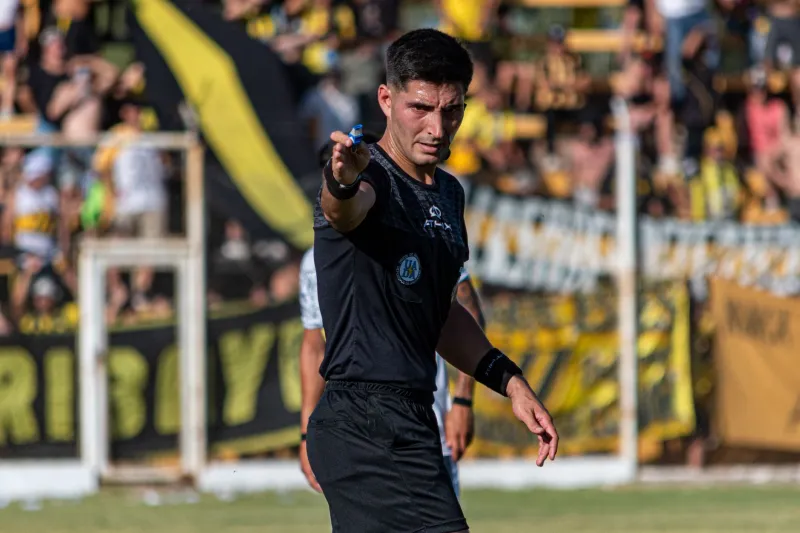
Here's what makes this especially maddening: the rule does get called occasionally. Maybe twice a game, usually early in the first quarter when refs are fresh and paying attention. That inconsistency is actually more damaging than just ignoring the rule entirely.
When enforcement is random, neither offense nor defense can actually adjust to it. Offensive players can't trust that the lane will be clear. Defensive coordinators can't build a system around a rule that might or might not be called depending on which ref crew is working that night. Everyone just kind of… plays around the ambiguity. And ambiguity in playoff basketball always favors the defense, because defense is about limiting options and ambiguity limits options.
The NBA has shown it can fix officiating inconsistencies when it wants to. The crackdown on non-basketball moves to draw fouls a few seasons back actually worked. Refs got clear guidance, started calling it differently, and players adjusted. It wasn't painless, but the game got better. The defensive three-second rule needs the same treatment.
What Would Actually Fix This
A few concrete ideas that don't require rewriting the rulebook:
Make it a point of emphasis — for real this time. The NBA periodically announces officiating points of emphasis before seasons. Put defensive three seconds on the list and actually follow through. League observers track these things. If the numbers don't change, the announcement was theater.
Assign a dedicated off-ball official to track it. The three-ref system already has one official who's specifically watching off-ball action. Give that ref explicit responsibility for timing defensive paint violations. Take it off the plate of the refs tracking the ball.
Increase the penalty visibility. Right now a defensive three-second call results in a technical foul and a free throw. That's the right punishment in theory, but refs are reluctant to call it because technicals feel severe and disruptive. Reframe it in officiating culture as a routine lane violation — not a character judgment — and refs might be more willing to pull the trigger.
Publish the data. The NBA tracks everything. Release quarterly reports on how often the defensive three-second rule is called by team and by official crew. Sunlight is a disinfectant. If it becomes publicly known that certain crews never call it, that's pressure to change.
The Bigger Picture
This isn't about penalizing good defenders or making the game soft. Rim protection is a legitimate and valuable skill. A shot-blocking center who's active, engaged, and rotating appropriately is a joy to watch. The problem is the passive version — the big man who just squats in the paint, daring offenses to work around him, knowing full well no whistle is coming.
The NBA built its modern identity on pace, space, and creativity. The three-point line changed everything. The rules protecting offensive players created the conditions for the most entertaining era the sport has ever seen. The defensive three-second rule was part of that framework from the start.
Let it do its job. Call the violation. Open the lane back up.
Playoff basketball is supposed to be the best version of the sport, not a demonstration of how far teams will go to exploit a rule nobody enforces. Fix the enforcement, and the game fixes itself.