The Edit Bay Is Picking Your NBA Villains — And You Probably Don't Know It
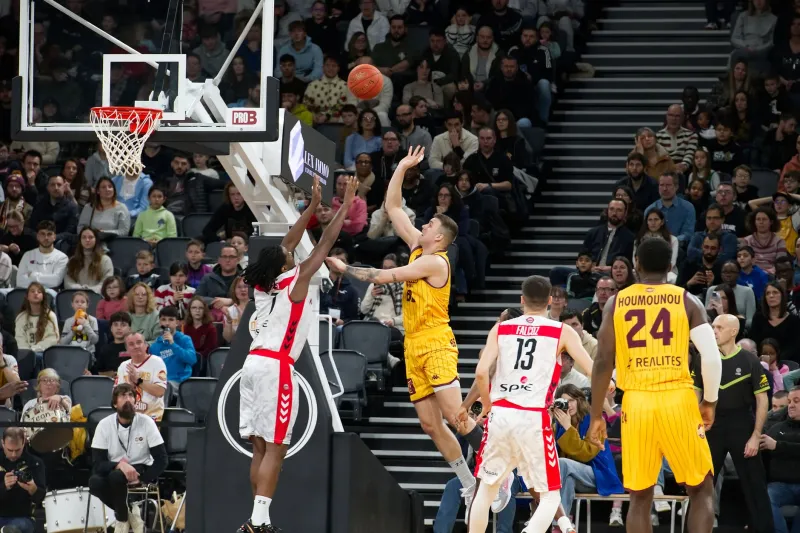
Picture two players. Both just got hit with a questionable foul call in the fourth quarter of a playoff game. Both react. One slams the ball into the floor, shouts at the official, and gestures toward the scorer's table with obvious frustration. The other does almost the exact same thing — same intensity, same emotional register, same physical reaction.
One of them ends up in the highlight package as a guy who "wears his heart on his sleeve" and "competes at an elite level." The other one trends on social media as someone who "needs to grow up" and "can't handle the moment."
The difference? Their jersey numbers. Or more specifically, their Q-scores, their market size, and how much the league and its broadcast partners have invested in their particular story.
What Gets Shown Is a Choice
NBA playoff broadcasts are sophisticated productions. Multiple cameras, dedicated replay teams, producers making real-time decisions about what to cut to and what to let go. That complexity creates enormous power — and enormous inconsistency.
The decision about which reaction shots make air is never random. Producers are working from a mental framework built on storylines. Who's the hero of this game? Who's the antagonist? Which player's emotion serves the narrative the broadcast has already decided to tell?
When a marquee star — let's say someone in the LeBron/Curry/Durant tier — goes off on a referee, the broadcast typically handles it one of two ways: they either don't linger on it, cutting away quickly to maintain the player's heroic framing, or they contextualize it with commentary that emphasizes passion and competitive fire. "He just wants to win so badly." "That's the kind of intensity that's made him what he is."
When a role player, a less-marketed star, or someone who's been cast as the league's current designated heel does the same thing, the camera stays. The commentators get quieter. The moment breathes — and not in a flattering way.
Mic'd Up: The Curated Version
Nothing illustrates the editorial power dynamic more clearly than the "mic'd up" segments that have become a staple of NBA playoff coverage. These are presented as raw, authentic glimpses into what players are actually saying on the court. They are nothing of the sort.
Every mic'd up segment goes through an editing process. Audio is selected, sequenced, and framed with commentary. The result is a highly produced character portrait. For favored players, those segments are built around humor, leadership, and competitive brilliance. Trash talk becomes wit. Emotion becomes intensity.
For players the broadcast ecosystem has decided to frame more negatively, the same raw material gets cut differently. Complaints to officials become whining. Intensity becomes volatility. The audio is identical in nature — a basketball player competing aggressively in a high-stakes environment — but the editorial framing turns it into something else entirely.
Ask yourself: when was the last time you saw a mic'd up segment where a top-five player in the league came across poorly? Now ask yourself whether that's because top-five players never behave poorly, or because the edit bay made sure you didn't see it.
The Replay Selection Problem
Replays are where this gets really granular. In a typical playoff broadcast, a controversial play might generate four or five replays from different angles. Which angles get shown — and in what order — shapes how the audience understands what happened.
When a superstar draws a foul, replays tend to emphasize the contact. Slow motion, multiple angles, commentary that validates the call. When a lesser-profile player draws the same call, the replay might come from a single angle at regular speed, or not come at all if the broadcast has already moved on.
This isn't a conspiracy. It's just the natural output of a system where producers are optimizing for engagement, and engagement is driven by storylines, and storylines are built around stars. But the cumulative effect is a viewer who has been systematically trained to see the same behavior differently depending on who's doing it.
The Frustration Tax on Non-Stars
The real-world impact of this asymmetry falls hardest on the players who are already operating at a disadvantage in terms of league visibility. A young player on a smaller market team who's built a reputation — fairly or not — as a hothead is walking into every playoff broadcast with a target on his back. The cameras are already looking for confirmation of that story. And because the cameras are looking, they'll find it.
Meanwhile, a player with ironclad star status can do considerably more without the broadcast machinery turning against him. His frustrations get contextualized. His outbursts get explained. His history of similar moments gets quietly edited out of the narrative.
This creates something that functions like a frustration tax on non-stars. Their emotional responses cost them more — in public perception, in the fan relationship, in the general story being told about who they are as competitors.
The Fan on the Other End
Here's the thing most casual viewers don't fully process: they are the end product of this entire system. The opinions you hold about which NBA players are "classy" and which ones are "problems," which guys compete the right way and which ones are selfish, which players you'd want on your team and which ones you'd rather not deal with — a significant portion of those opinions were manufactured in an edit bay.
That doesn't mean your opinions are wrong, necessarily. Players do have genuine personalities that come through even in a filtered broadcast environment. But the filter is real, it's significant, and it's working in the service of a very specific commercial agenda.
The NBA wants you to love its stars and buy their jerseys and tune in to their games. The broadcast exists to facilitate that outcome. Everything else — including the authentic, complicated, messy humanity of the other dozen guys on the court — is secondary.
Next time a player you've never really warmed to has a visible meltdown on the sideline, it's worth asking: how many times did the camera look away from someone else doing the exact same thing tonight?
The edit bay knows. And it's not telling.